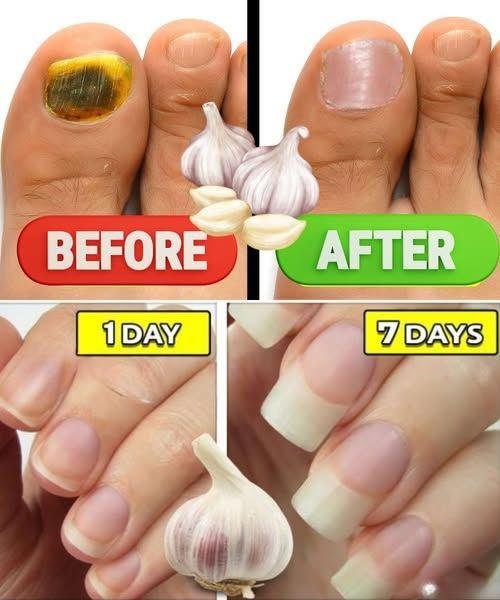
Garlic gets a lot of attention in “natural remedy” headlines, but its effects are more interesting—and more limited—than those claims suggest.
Garlic may have some antifungal activity in lab and small clinical studies, mainly due to a compound called allicin, which is released when garlic is crushed or chopped. Allicin can interfere with the growth of certain fungi under controlled conditions.
But that doesn’t mean garlic is a reliable treatment for fungal infections in the real world.
🧄 Why garlic shows antifungal effects
1. Allicin (active compound)
When garlic is crushed, it produces allicin, which:
- Disrupts fungal cell membranes
- Interferes with fungal enzyme activity
- Shows activity against some species like Candida in lab studies
2. Natural antimicrobial properties
Garlic contains sulfur compounds that may:
- Inhibit some bacteria and fungi
- Reduce inflammation slightly
3. Antioxidant support
It can support immune function indirectly, which helps the body respond to infections—not replace treatment.
⚠️ Important reality check
Even though garlic has promising lab effects:
- ❌ It does NOT reliably cure fungal infections in humans
- ❌ It does NOT replace antifungal medications
- ❌ Skin application can sometimes cause irritation or burns
Medical fungal infections are treated with proven antifungals like those targeting Candidiasis or athlete’s foot with specific creams or oral medications.
🧴 Where garlic might help (mildly)
- Dietary support for overall immune health
- Very mild topical use in diluted form (still risky for skin irritation)
- Complementary—not primary—support alongside medical treatment
🚨 Risks of using garlic directly on skin
- Burning or chemical irritation
- Blistering in sensitive areas
- Worsening existing skin infections if improperly used
🧠 Bottom line
Garlic has interesting antifungal compounds in the lab, but it is not a dependable treatment for fungal infections in humans. It can support health in general, but real infections need proper antifungal medication.
If you want, I can explain which antifungal treatments actually work fastest for skin, nail, or yeast infections and when you should see a doctor.
