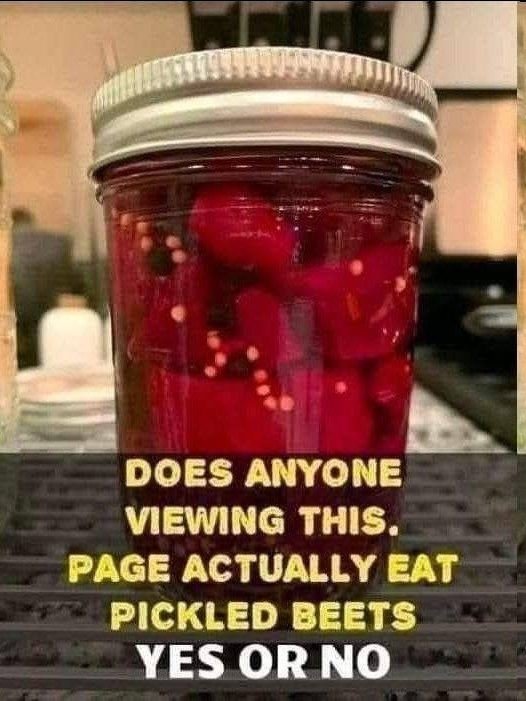
Pickled beets are basically beets that have been cooked and preserved in a vinegar-based brine (often with salt, sugar, and spices).
🥗 What they are like
- Earthy + tangy + slightly sweet taste
- Soft texture (but still a bit firm if homemade)
- Deep red-purple color that can stain everything 😄
❤️ Health benefits (why people like them)
1) Good for blood pressure (in moderation)
Beets contain natural nitrates, which your body can convert into nitric oxide.
That helps:
- Relax blood vessels
- Improve blood flow
- Potentially lower blood pressure slightly
👉 This is more true for fresh beets or beet juice, but pickled ones still retain some benefit.
2) Rich in antioxidants
- Betalains (the pigment that gives the red color) help fight inflammation
- Supports heart and liver health
3) Fiber for digestion
- Helps gut health
- Supports regular bowel movements
⚠️ Things to watch out for
1) High sodium (important)
Pickled beets often contain a lot of salt, which can:
- Raise blood pressure in sensitive people
- Counteract the natural BP-lowering benefit of beets
👉 This is the biggest downside.
2) Added sugar
Some store-bought versions are sweetened, which adds extra calories.
3) Kidney stone risk (for some people)
Beets are high in oxalates, which may contribute to kidney stones in prone individuals.
👍 Best way to enjoy them
- Choose low-sodium or homemade versions
- Rinse lightly if they taste very salty
- Eat as a side, not in huge amounts daily
🧠 Bottom line
Pickled beets can be a healthy, tasty food—but for blood pressure, the salt content matters more than the beet benefits if you eat too much of them.
If you want, I can show you a simple low-salt homemade pickled beet recipe or compare them with beet juice for blood pressure.
