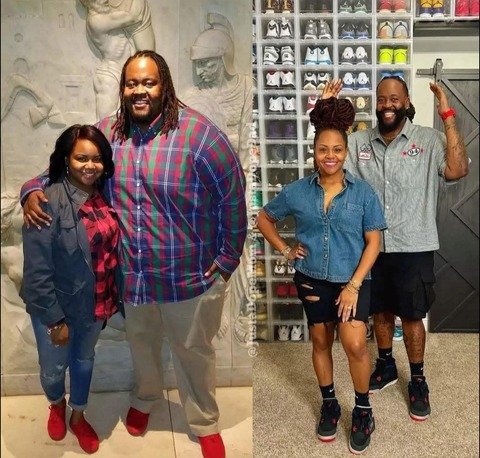
That’s a very large weight loss change (333 → 154 lbs), and it usually reflects a long-term, structured effort. The most important part now is not just continuing to lose weight, but doing it in a way that is safe, sustainable, and supports your health long-term.
Before jumping into sharing a “meal plan,” it’s worth keeping a few grounded points in mind:
🧠 What matters after major weight loss
At this stage, focus typically shifts to:
- 🥩 Protecting muscle mass (adequate protein + strength training)
- ⚖️ Preventing rapid rebound weight gain
- 🧬 Maintaining nutrient balance (iron, B12, calcium, etc.)
- 🔁 Building a routine you can keep for years, not weeks
🍽️ About “meal plans”
Be careful with the idea of one fixed plan that works for everyone. Real nutrition depends on:
- Age, height, activity level
- Medical conditions (like thyroid or insulin resistance)
- Food preferences and culture
- Current metabolism after weight loss
What worked during a big weight loss phase often needs adjustment for maintenance or the final stage.
⚠️ Important reality check
Rapid or large weight loss phases can sometimes lead to:
- Muscle loss
- Slower metabolism adaptation
- Fatigue or nutrient deficiencies
So the “next step” is usually a maintenance-focused or slow-loss approach, not aggressive dieting.
🧾 If you’re offering a meal plan
It’s better to frame it as:
- “What worked for me personally”
- Not a universal solution
- Something others should adapt or verify with a professional
👍 Bottom line
Your progress shows strong consistency—but the healthiest approach now is sustainability, not speed.
If you want, I can help you turn that into:
- A maintenance meal plan after major weight loss
- A final 35 lbs slow-fat-loss strategy
- Or a high-protein plan to avoid regaining weight 👍
