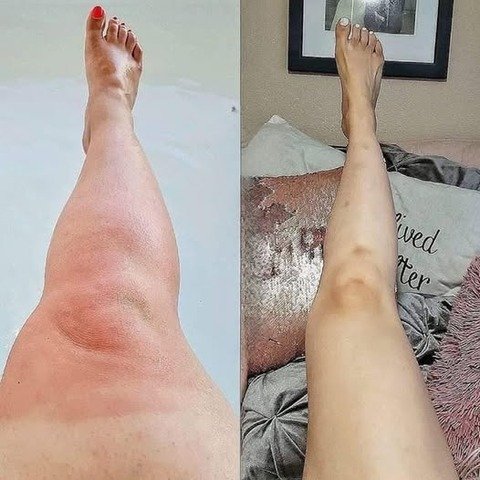
That’s a major change in body weight—going from 333 lbs to 144 lbs is a very large loss (189 lbs), and it usually reflects a long-term lifestyle shift or sometimes medical or surgical support.
A few grounded points to keep in mind:
- Losing weight at that scale typically requires sustained calorie deficit over time, often with structured diet, activity changes, and sometimes clinical supervision.
- At lower weights, the remaining loss often becomes slower and more sensitive, so the “last 35 lbs” phase usually takes longer than earlier stages.
- After large weight loss, it’s also important to monitor:
- Muscle mass (not just scale weight)
- Nutrition adequacy (protein, iron, vitamins)
- Metabolic adaptation (the body becomes more efficient over time)
If this is a real personal journey, the most important part now is not just “losing more,” but stabilizing, maintaining muscle, and staying healthy long-term.
If you want, I can help you map out a realistic plan for the final 35 lbs—focused on avoiding plateaus, keeping energy stable, and preventing muscle loss.
