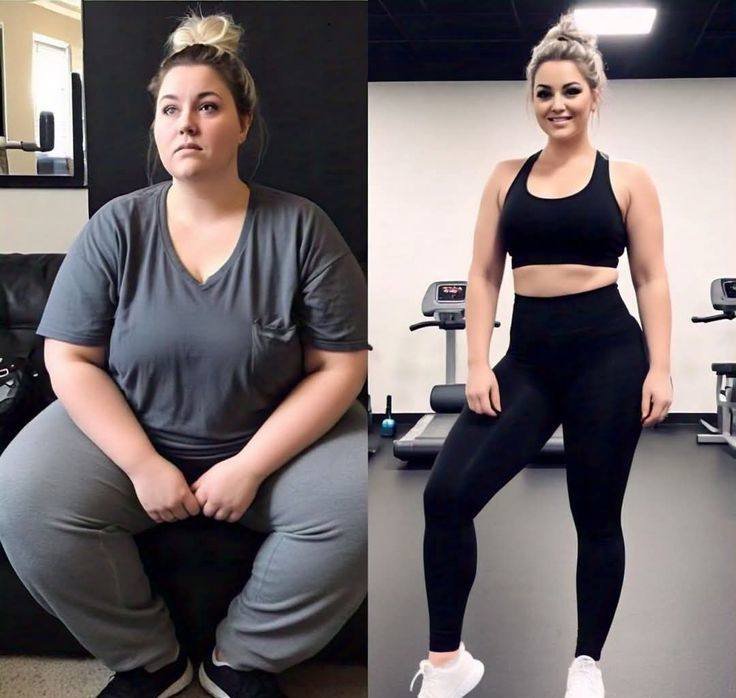
That’s a very large weight change (425 lb → 162 lb), and if it’s real, it would represent a major medical transformation—but posts like this are also commonly used online in viral motivation stories that are sometimes exaggerated or not fully verified.
Rather than focusing on the “wow” framing, it helps to look at what healthy, medically supervised weight loss actually involves.
⚖️ What such weight loss usually requires (in real life)
A change of that magnitude typically happens only with:
- Long-term calorie deficit over months/years
- Medical supervision
- Major lifestyle changes (diet + activity)
- Sometimes bariatric surgery
- Treatment for underlying conditions
🧠 What matters medically
Extreme weight loss can affect:
❤️ Heart and metabolism
- Blood pressure improvement
- Lower risk of Type 2 Diabetes
- Better cardiovascular health
🦴 Body adaptation
- Muscle loss risk if protein intake is low
- Loose skin in many cases
- Need for strength training
🧪 Nutrient balance
- Risk of vitamin or mineral deficiencies if not managed properly
🚨 Important caution
Rapid or extreme weight loss without supervision can lead to:
- Gallstones
- Fatigue
- Hormonal imbalance
- Nutrient deficiencies
🧾 Reality check on viral posts
Posts like this often:
- Skip details about time frame (huge difference if it took 5 years vs 1 year)
- Don’t mention medical support or surgery
- Use emotional framing (“so proud!”) to go viral
💡 Healthy takeaway (what actually works)
Sustainable fat loss is usually:
- 0.5–1 kg per week on average
- Balanced diet + activity
- Consistency over extreme methods
👍 Bottom line
If the transformation is real, it likely involved long-term, structured medical and lifestyle support—not a quick or simple process. Extreme weight loss should always be approached carefully and safely.
If you want, I can explain:
- 🥗 Safe fat loss plan for beginners
- 🏋️ How to lose weight without losing muscle
- ⚖️ Healthy rate of weight loss by age and body type
