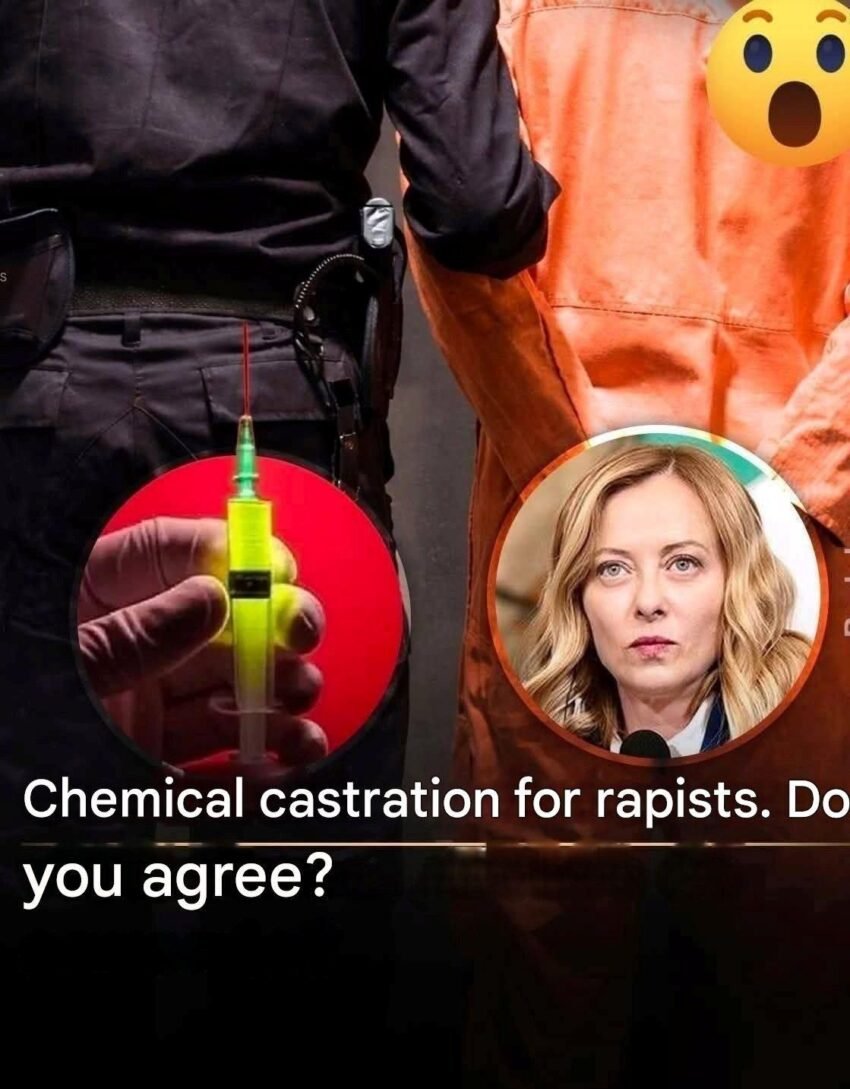
Chemical castration refers to the use of medication to reduce sexual drive and sexual behavior, most often in people convicted of sexual offenses. It does not involve surgery. Instead, it uses drugs that suppress testosterone or affect sexual urges.
The topic is controversial because it sits at the intersection of criminal justice, human rights, ethics, and public safety.
🧠 What chemical castration is
It typically involves medications such as:
- Hormone-suppressing drugs (anti-androgens)
- Drugs that lower testosterone production
One commonly discussed class is Medroxyprogesterone acetate, which reduces libido by lowering sex hormone activity.
These medications:
- Reduce sexual thoughts and urges
- Lower testosterone levels
- Can decrease sexual behavior in some individuals
⚖️ Why it’s used
Some countries use it for:
- Repeat sexual offenders
- Parole conditions (as part of rehabilitation)
- Reducing risk of reoffending
It is intended as a risk-reduction tool, not a cure for behavior.
🌍 Where it is used
Policies vary widely:
- Some U.S. states allow it (usually voluntary or conditional parole)
- Certain European countries use it in limited cases
- Some countries have debated or expanded its use for repeat offenders
⚠️ Why it’s controversial
1. Consent and human rights
- Is it truly voluntary if tied to parole or reduced sentences?
- Critics argue it may be coercive
2. Side effects
Can include:
- Weight gain
- Bone density loss
- Fatigue
- Mood changes or depression
3. Effectiveness debates
- May reduce sexual drive, but does not necessarily eliminate criminal behavior
- Not all sexual offenses are driven purely by libido (some involve power or violence)
4. Ethical concerns
- Seen by some as punishment beyond imprisonment
- Raises questions about bodily autonomy
🧠 Supporters’ argument
- Can reduce risk of reoffending in high-risk individuals
- May provide public safety benefit when used carefully
- Considered less restrictive than life imprisonment in some systems
⚖️ Critics’ argument
- Potential violation of medical ethics
- Risk of coercion
- Does not address underlying psychological causes of offending
🧩 Key takeaway
Chemical castration is not a “simple solution.” It is a medical intervention used within legal systems to reduce sexual drive, but it remains highly debated due to ethical, legal, and effectiveness concerns.
If you want, I can also explain how it compares to psychological treatment or incarceration in reducing reoffending rates, which is where most of the real policy debate happens.
