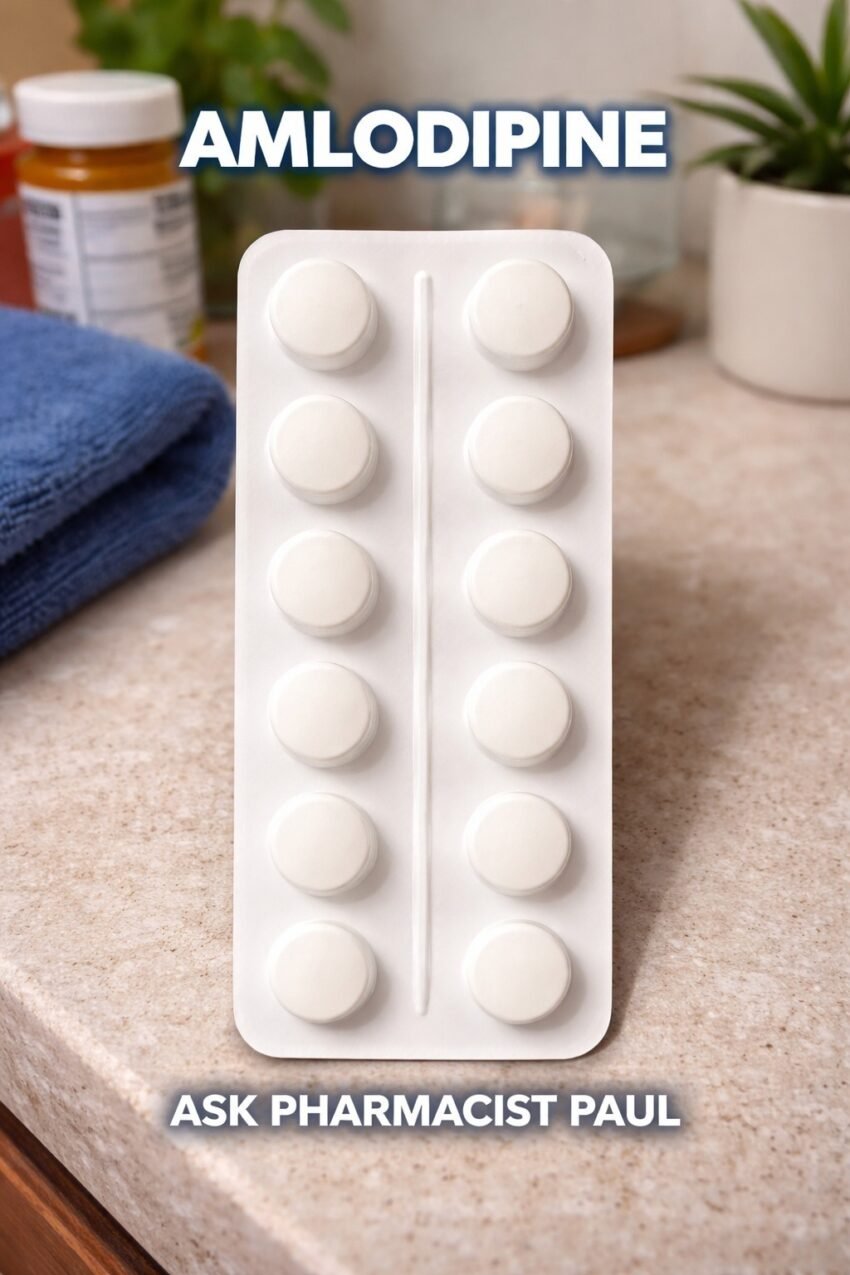
First, a reality check: headlines like this are usually overstated. If you’re taking Amlodipine, there aren’t “8 forbidden habits,” but there are behaviors that can reduce how well it works or increase side effects.
Amlodipine is used to treat Hypertension and chest pain (angina). It works by relaxing blood vessels so blood flows more easily.
⚠️ 8 habits to avoid or limit (and why)
1. Eating very salty foods
- High salt intake raises blood pressure
- Can cancel out the medication’s effect
👉 Processed foods, chips, pickles, instant noodles are common culprits
2. Drinking excessive alcohol
- Can worsen dizziness and lower blood pressure too much
- May increase side effects like flushing or headaches
3. Skipping doses or irregular timing
- Blood pressure becomes unstable
- Increases risk of spikes and complications
4. Grapefruit or grapefruit juice (in large amounts)
- Can affect how amlodipine is metabolized in the body
- May increase drug levels and side effects in some people
5. Standing up too quickly
- Amlodipine can cause mild blood pressure drops
- Sudden posture changes may cause dizziness or lightheadedness
6. Overusing NSAID painkillers (like ibuprofen)
- Can reduce blood pressure control
- May strain kidneys when combined with hypertension
7. Smoking
- Damages blood vessels
- Works against the blood-pressure-lowering effect of the medication
8. Ignoring regular monitoring
- Not checking blood pressure means you miss whether the dose is working
- Prevents early detection of side effects like swelling
🧠 Important context
- Mild side effects of amlodipine (like ankle swelling or flushing) are common and usually manageable
- Lifestyle matters as much as medication for blood pressure control
- There are no “strict lifestyle bans,” just risk-reducing habits
👍 Bottom line
Amlodipine works best when paired with:
- Low-salt diet
- Regular activity
- Consistent dosing
- Moderate alcohol intake
- Routine blood pressure checks
If you want, I can also break down amlodipine side effects vs normal body reactions (so you know what’s harmless vs concerning).
