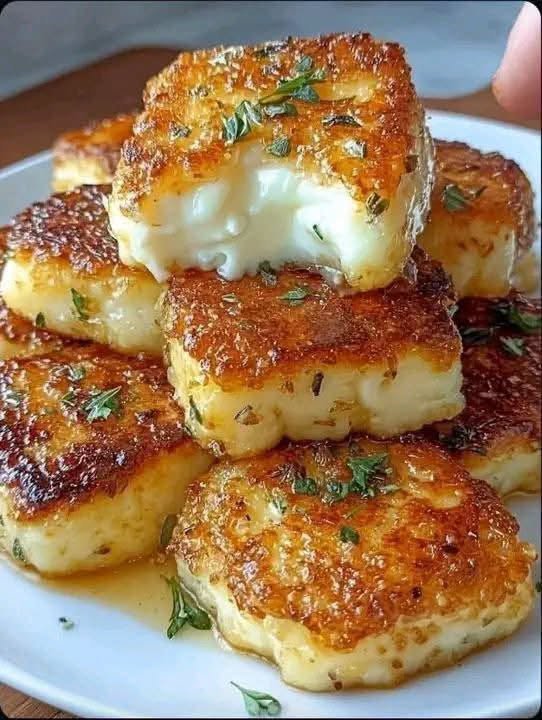
The Masterclass on Mastering Mediterranean Halloumi Cheese
When it comes to culinary magic achieved with minimal effort, few ingredients rival halloumi cheese. Hailing originally from Cyprus and deeply embedded across Mediterranean and Middle Eastern culinary traditions, halloumi possesses a rare and fascinating physical property: a remarkably high melting point. While other cheeses like mozzarella or cheddar instantly melt into a gooey puddle under high heat, halloumi retains its shape, transforming instead into a glorious, golden-brown, squeaky masterpiece with a crunchy exterior and a tender, warm interior.
Welcome to the definitive guide for crafting the ultimate 3-Ingredient Pan-Fried Halloumi. By stripping away complicated batters, heavy flours, and fussy additions, this recipe lets the pure, savory, and salty character of the cheese shine through. Whether you are looking for a rapid protein-packed appetizer, a savory addition to your morning eggs, or a gourmet topper for fresh summer salads, mastering this simple technique will instantly upgrade your home cooking repertoire.
The Unique Science of Halloumi: Why It Fries Instead of Melting
To truly appreciate pan-fried halloumi, it helps to understand what makes this cheese unique. Traditional halloumi is made from a mixture of goat’s and sheep’s milk (and occasionally cow’s milk), and it does not use acid-producing bacteria during its production process. This unique manufacturing structure prevents the proteins from breaking down under heat, meaning the cheese protein matrix stays intact even when exposed to a hot skillet.
However, achieving that restaurant-quality, blistered golden crust requires respecting a few fundamental kitchen rules:
- Moisture Control is King: Just like with crispy pork belly, surface water is the enemy of a good sear. Vacuum-packed halloumi often sits in a salty brine, meaning the surface is damp straight out of the package. Failing to pat the cheese completely dry results in steaming rather than frying, preventing that gorgeous brown crust from forming.
- The Fat Choice: While halloumi has its own natural fats, adding a small slick of high-quality olive oil to the pan helps conduct heat evenly and infuses the outer layer with a rich, fruity aroma that pairs harmoniously with the sheep and goat milk flavors.
Anatomy of Flavor: Balancing Salt and Savor
Halloumi is naturally a very salty cheese due to the traditional brine-curing preservation method used during its creation. Because of this high sodium profile, you do not need to add salt to this recipe. Instead, the focus shifts entirely to balancing and enhancing its natural savory punch:
- The Peppery Kick: A generous dusting of freshly cracked black pepper introduces a warm, aromatic heat that cuts right through the dense, rich nature of the fried cheese.
- Optional Heat (Chili Flakes): If you enjoy a touch of spice, a pinch of crushed red chili flakes provides a vibrant visual contrast and a subtle kick that lingers pleasantly on the palate.
- The Acidic Counterbalance: While not strictly cooked into the cheese, serving your warm halloumi with a squeeze of fresh lemon juice immediately after it leaves the pan creates a dynamic flavor explosion. The sharp citrus acid cuts through the milk fats, transforming a heavy snack into a bright, refreshing bite.
Versatility in the Kitchen: How to Serve Halloumi
One of the greatest benefits of keeping a block of halloumi in your refrigerator is its incredible adaptability across meal times. Here is how you can integrate pan-fried halloumi into your weekly menu:
- As a Standalone Appetizer: Serve the warm, crispy slices immediately on a rustic board with lemon wedges, fresh mint leaves, and a drizzle of raw honey for a sweet-and-salty masterpiece.
- Salad and Grain Bowl Powerhouse: Chop the pan-fried pieces into cubes and toss them into a quinoa bowl, a Mediterranean cucumber-tomato salad, or a bed of peppery arugula with balsamic vinaigrette.
- Breakfast and Brunch Upgrades: Swap out traditional bacon or sausage for a couple of hot slices of halloumi alongside fried eggs and toasted sourdough bread.
Simple 3-Ingredient Pan-Fried Halloumi Recipe
Whip up a quick, crispy, and savory Mediterranean treat using just three basic ingredients and less than ten minutes of your time.
Ingredients List
- Cheese: 1 block of halloumi cheese (the star of the dish)
- Cooking Oil: Extra virgin olive oil (for frying and rich flavor)
- Finishing Touch: Freshly ground black pepper (or optional chili flakes for a hint of heat)
Step-by-Step Cooking Directions
- Prep and Dry the Halloumi: Remove the block of halloumi from its packaging and rinse if desired, then pat it completely dry using clean paper towels to ensure a proper crisp surface.
- Slice Uniformly: Cut the halloumi into even pieces, approximately ½ inch thick. Uniform slices guarantee even cooking and consistent browning across every piece.
- Heat the Skillet: Place a non-stick skillet or seasoned cast-iron pan over medium heat. Add a small drizzle of olive oil, just enough to lightly coat the bottom of the pan, and let it heat until it shimmers gently.
- Sizzle the Cheese: Lay the halloumi slices in a single layer across the hot pan. Listen for a delicate, steady sizzle, which indicates the ideal temperature.
- Develop the Golden Crust: Allow the cheese to cook undisturbed for 2 to 3 minutes per side. Let it form a rich, deep golden-brown crust before attempting to turn it.
- Flip and Finish: Carefully flip each slice over and cook the second side for another 2 minutes until uniformly crisp and golden.
- Season and Serve: Remove the halloumi from the pan, transfer to a serving dish, and immediately finish with a light sprinkling of freshly ground black pepper or chili flakes. Serve warm and enjoy!
Source & Attribution
Adapted from traditional Cypriot culinary techniques and classic Mediterranean pan-fried cheese recipes.
