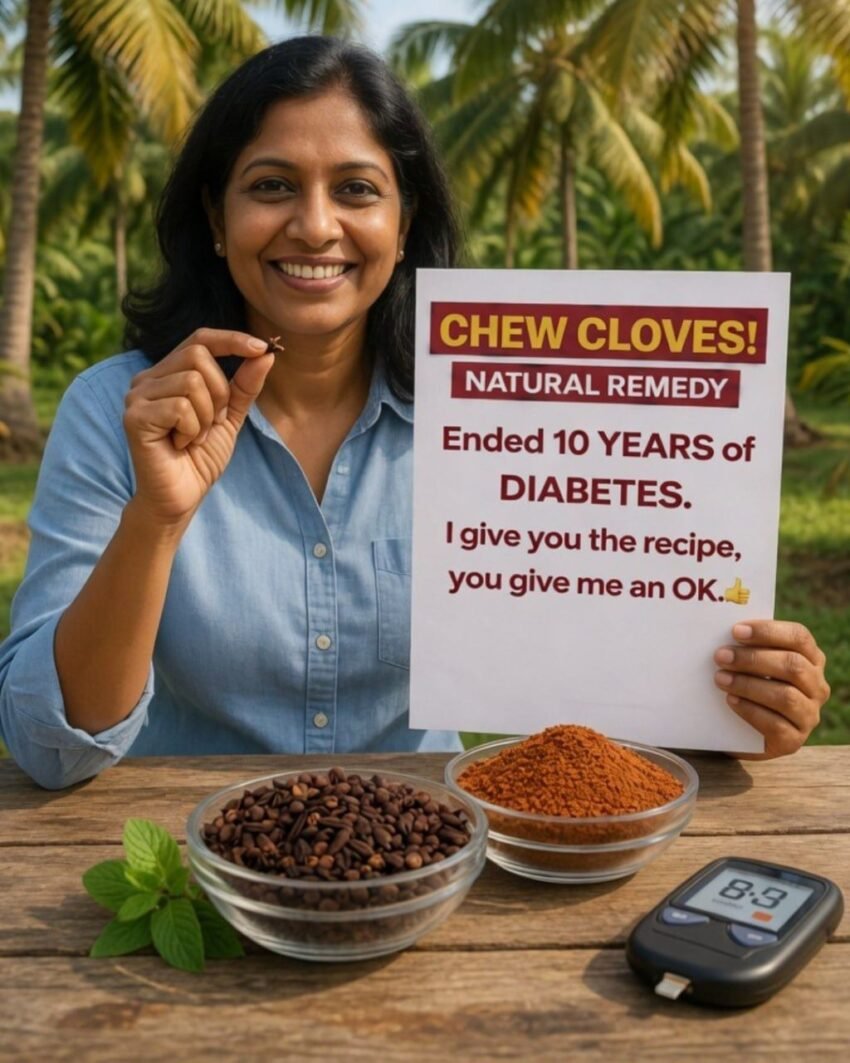
That claim is another example of “miracle food” marketing. Chewing cloves can have some real effects—but they are mild, supportive, and not dramatic or curative.
Cloves are the dried flower buds of the clove plant and contain a compound called eugenol, which has biological activity.
🧄 What actually happens if you chew cloves (in small amounts)
👍 Possible effects
1. Mild pain relief in the mouth
- Eugenol has a numbing effect
- This is why cloves are used in some dental products
2. Freshens breath temporarily
- Antibacterial properties may reduce oral bacteria
- Effect is short-term
3. Mild anti-inflammatory effect
- May slightly reduce inflammation in the body when used in food amounts
4. Digestive support (in some people)
- Traditionally used to help with gas or indigestion
- Evidence is limited but plausible in small amounts
⚠️ What cloves do NOT do
Despite viral claims, cloves do NOT:
- Cure infections
- Reverse diabetes or heart disease
- “Detox” the body
- Provide dramatic immune “boosting” effects
- Replace medical treatment
🚨 Possible risks of overuse
Chewing too many cloves or using them frequently can cause:
- Mouth irritation or burning
- Stomach upset
- Liver strain in very high doses (due to eugenol)
- Interaction risks with blood-thinning medication
🧠 Context matters
Cloves are best understood as:
- A spice with mild medicinal properties
- Not a treatment or cure
- Safe in culinary amounts (like cooking or tea)
🧾 Bottom line
Chewing 1–2 cloves a day may offer small benefits like fresh breath or mild oral relief, but the dramatic claims online are exaggerated.
If you want, I can show you which everyday spices actually have the strongest scientific evidence for health benefits (and which ones are mostly hype).
