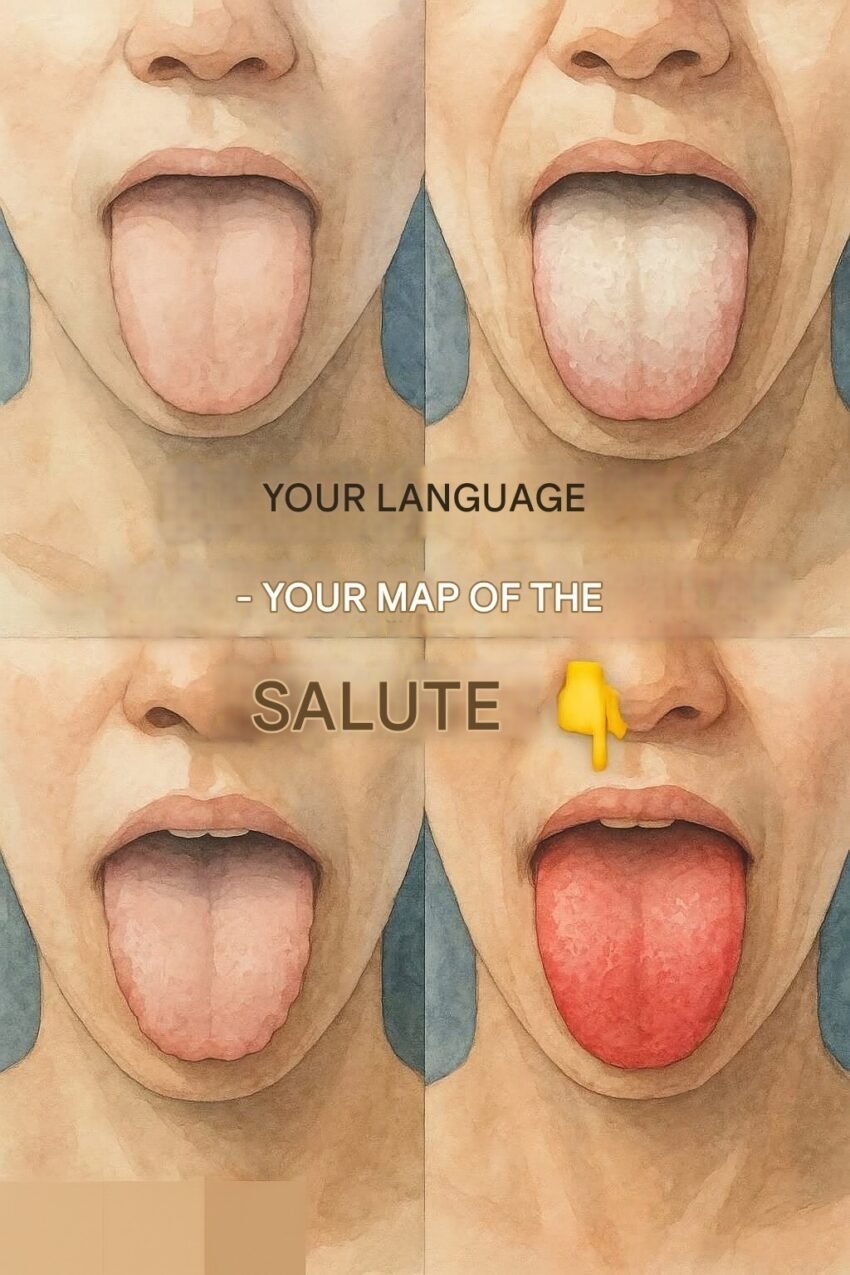
Your tongue can give clues about your overall health, but it’s not a diagnostic tool on its own. Normal variation, food, and hygiene can all affect how it looks. The Tongue is covered with tiny bumps (papillae) that can trap debris and bacteria—so color changes aren’t always serious.
👅 What different tongue colors can mean
🌸 Healthy pink
- Normal color
- Moist, with small visible papillae
⚪ White coating
- Common causes:
- Poor oral hygiene
- Dry mouth
- Mild irritation
- Sometimes linked to:
- Oral thrush (yeast infection)
🔴 Bright red
- May suggest:
- Vitamin deficiencies (like B12 or folate)
- Inflammation
- Smooth “beefy” red tongue can be a sign of nutritional issues
🟡 Yellowish
- Often due to:
- Bacteria buildup
- Smoking
- Poor oral hygiene
🟤 Brown or black (“hairy” tongue)
- Caused by buildup on papillae
- Associated with:
- Smoking
- Certain medications
- Poor oral hygiene
🔵 Blue or purple
- Could indicate low oxygen levels or circulation issues
- Needs medical attention if persistent
🚨 When to worry
See a doctor or dentist if you notice:
- Color change lasting more than 2 weeks
- Pain, burning, or swelling
- White patches that don’t scrape off
- Difficulty eating or speaking
- Sudden dark or blue discoloration
🧠 Important reality check
- Tongue color alone cannot diagnose disease
- Many changes are harmless and temporary
- Context (symptoms + duration) matters more than color
🧾 Bottom line
Tongue color can offer useful clues, but it’s not a standalone diagnosis. Persistent or unusual changes should be checked by a professional, especially if accompanied by other symptoms.
If you want, I can explain:
- 👅 How to keep your tongue healthy
- 🪥 Proper tongue cleaning techniques
- 🧠 Signs that actually require urgent attention 👍
