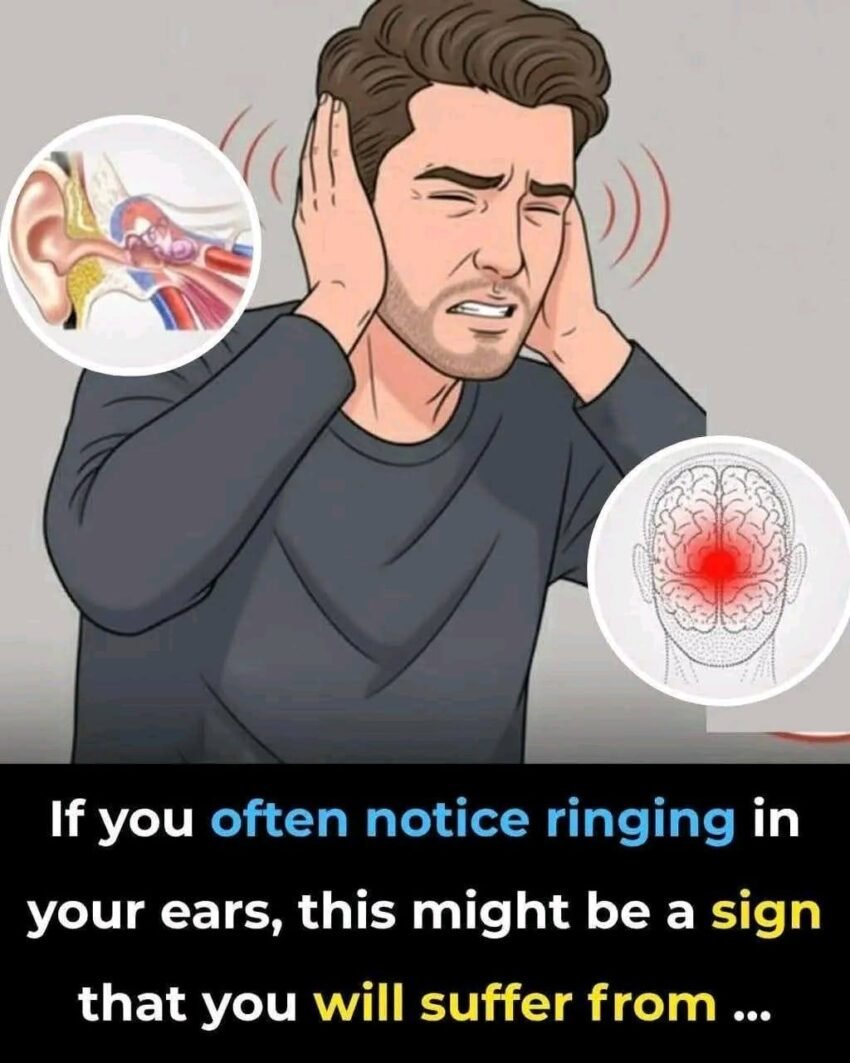
Constant tinnitus means hearing sound (like ringing, buzzing, hissing, or humming) when no external sound is present. It’s a symptom—not a disease—and it can be linked to several different health conditions.
The condition is called Tinnitus.
🔊 What constant tinnitus can indicate about your health
👂 1. Hearing system damage (most common)
- Often linked to long-term noise exposure
- Aging-related hearing loss
- Damage to inner ear hair cells
🧠 2. Brain’s sound processing changes
- The brain “fills in” missing sound signals when hearing is reduced
- Not a structural brain disease, but a nervous system response
💉 3. Circulation problems (in some cases)
- High blood pressure or vascular issues
- Pulsing sound (called pulsatile tinnitus)
Related condition: Hypertension
💊 4. Medication side effects
Some drugs may trigger or worsen tinnitus:
- Certain painkillers
- Some antibiotics
- High doses of aspirin
😟 5. Stress and anxiety
- Stress can make tinnitus louder or more noticeable
- Creates a feedback loop: stress ↔ awareness of sound
🦴 6. Neck or jaw issues
- TMJ (jaw joint problems)
- Neck muscle tension affecting nerves
⚠️ 7. Less common causes
- Earwax blockage
- Ear infections
- Inner ear disorders
🚨 When tinnitus needs medical attention
Seek help if:
- It happens only in one ear
- It pulses with your heartbeat
- It comes with dizziness or hearing loss
- It suddenly worsens
🧠 Important reality check
- Tinnitus is a symptom, not a diagnosis
- It does not automatically mean a serious disease
- Many cases are manageable or improve over time
🧾 Bottom line
Constant tinnitus can be linked to hearing changes, noise exposure, circulation issues, stress, or medication effects. It should be evaluated if persistent or worsening.
If you want, I can also explain:
- 🔇 Ways to reduce or manage tinnitus
- 🎧 Hearing protection tips
- 🧘 Stress techniques that help quiet the ringing 👍
