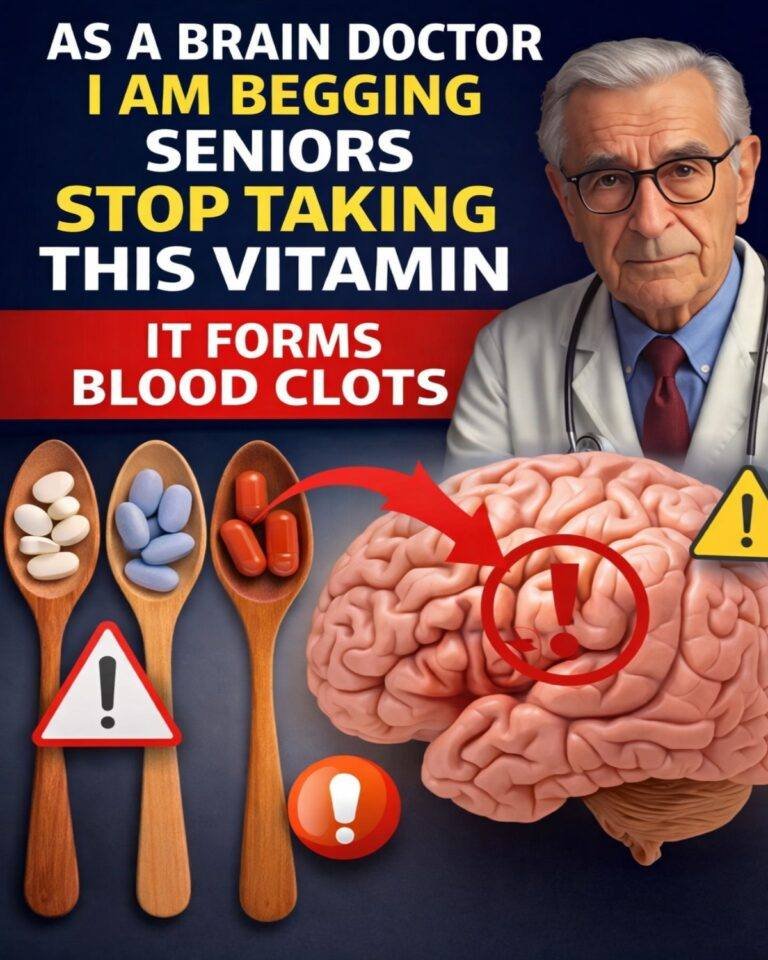
That headline — “As a doctor, I’m SHOCKED: THIS Vitamin raises stroke risk overnight” — is clickbait and misleading.
There is no single vitamin that suddenly raises stroke risk “overnight” in healthy people. Stroke risk is influenced by long-term factors like blood pressure, age, smoking, diabetes, and cholesterol—not a one-time vitamin effect.
🧠 What the evidence actually shows
💊 Vitamin D
Vitamin D
- Studies show supplementation does NOT reduce stroke risk overall (PubMed)
- It is not linked to a sudden spike in stroke risk in normal doses
- Extremely high doses can cause other health problems (like high calcium), but not “overnight stroke”
💊 Vitamin E (important nuance)
Vitamin E
- High-dose supplements may increase bleeding tendency
- Some research shows a slightly increased risk of hemorrhagic stroke in certain cases (NCBI)
- But this is dose-dependent and gradual, not sudden or universal
💊 Vitamin B3 (niacin)
niacin
- Very high supplemental levels may affect blood vessels
- Recent studies suggest excess may be linked to cardiovascular risk in some populations
- Again: chronic high intake, not a one-day trigger
🚨 Why these posts exist
They usually:
- hide the actual vitamin name
- exaggerate rare risks
- ignore dosage and medical context
- try to sell supplements or collect clicks
🧠 Bottom line
- No vitamin causes stroke “overnight” in normal use
- Some vitamins (like E or niacin) can be harmful only in very high or improper doses over time
- Proper nutrition and medically guided supplementation are safe for most people
👍 Real takeaway
If anything truly matters for stroke prevention, it’s:
- blood pressure control
- not smoking
- diabetes management
- exercise
- balanced diet (not random supplement claims)
If you want, I can break down:
- which supplements seniors should actually avoid
- or real early warning signs of stroke (important ones) 👍
