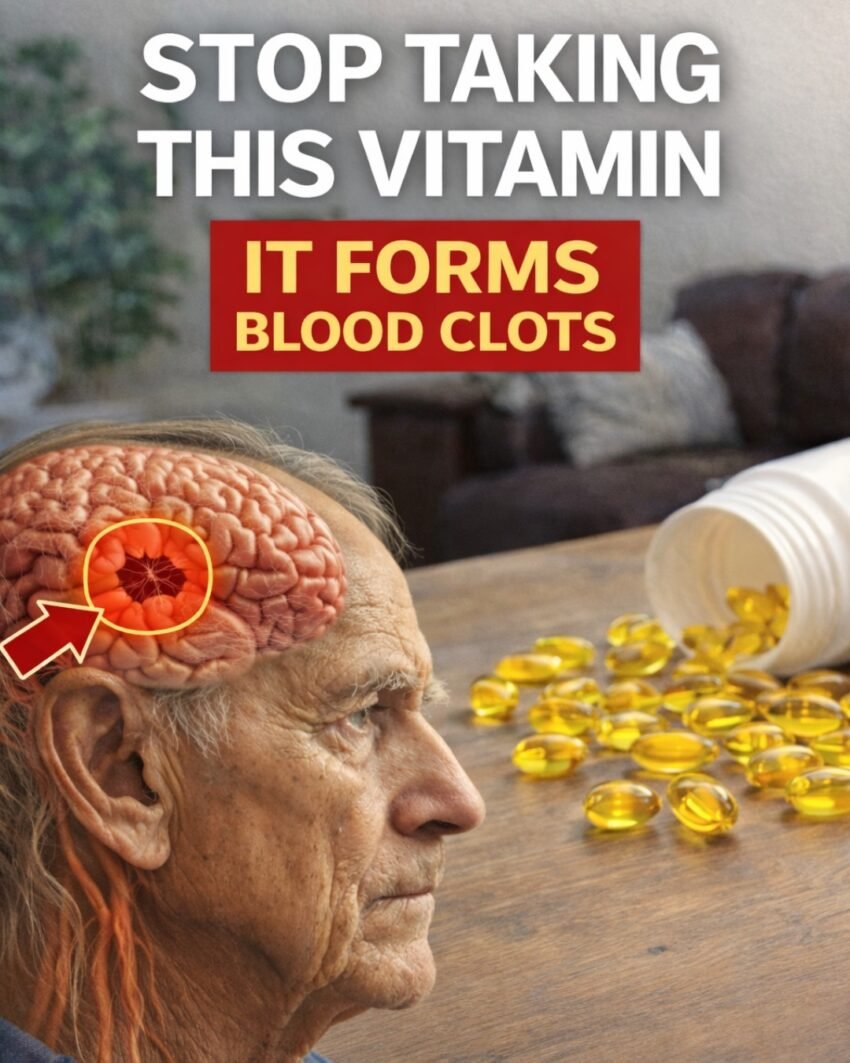
This is a strong and important clinical question—but the answer is not “one vitamin causes stroke” in a simple way. The evidence is more nuanced.
First: what doctors actually see in research
Across studies, most vitamin supplements do not clearly reduce stroke risk, and a few—at high doses—may increase risk depending on the type and dose.
Supplements with possible stroke-related risks
1) Vitamin E (most discussed)
- High-dose supplementation has been linked in some studies to increased risk of hemorrhagic stroke (bleeding stroke) due to blood-thinning effects
- At the same time, it may slightly reduce ischemic stroke risk, so the net effect is mixed
(PubMed) - This is why some reviews caution against routine high-dose use, especially in older adults or those on aspirin/anticoagulants
2) Calcium + Vitamin D combinations
- Some evidence suggests a possible increased stroke risk signal, though findings are not fully consistent and depend on population and dose
(Reddit)
3) Vitamin D alone
- Large analyses generally show no clear reduction in stroke risk, despite earlier hopes
(PubMed)
4) B vitamins (folate/B6/B12)
- In specific high-risk groups (like people with elevated homocysteine after stroke), they may reduce recurrence risk
(NINDS) - But in general populations, benefit is inconsistent
Key medical takeaway (important)
For seniors, the real issue is not “vitamins cause stroke,” but:
High-dose supplements can interfere with clotting, blood pressure, kidney function, or medications—indirectly affecting stroke risk.
Risk is highest when:
- Combined with blood thinners (aspirin, warfarin, clopidogrel)
- Taken in megadoses
- Used without correcting a real deficiency
So as a “brain doctor concern” framing:
A more accurate statement would be:
- Most vitamins are neutral at normal dietary doses
- Some become risky at pharmacologic (high supplement) doses
- Effects vary depending on type of stroke (ischemic vs hemorrhagic) and patient context
Practical clinical guidance
For seniors:
- Prefer food-based nutrients over supplements
- Supplement only when there is:
- confirmed deficiency, or
- a specific medical indication
- Be especially cautious with:
- high-dose Vitamin E
- multiple “heart/brain health” blends
- combinations with anticoagulants
If you want, I can break this down into a “which supplements are safe vs risky in elderly stroke patients” clinical table—that’s usually how neurologists actually approach it.
