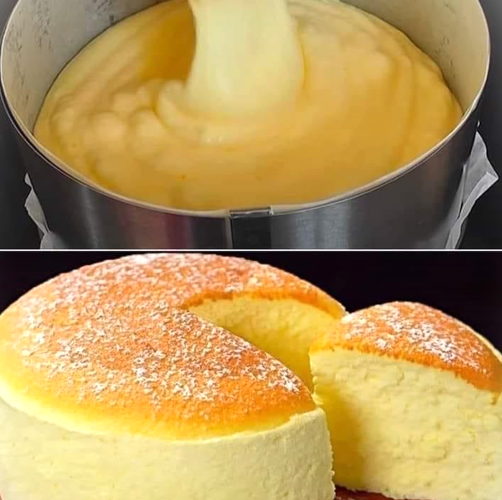
Crafting Legendary Southern Buttermilk Pound Cake at Home
Welcome to the definitive culinary masterclass on creating one of the most treasured, timeless desserts in baking history: the Legendary Southern Buttermilk Pound Cake. If you have ever sought a dessert that defines pure homestyle comfort, featuring a dense, velvety crumb, a buttery golden crust, and a secret-weapon rich glaze that locks in unbelievable moisture, your search ends here. This comprehensive, SEO-optimized guide is meticulously designed to elevate your baking repertoire, transforming simple pantry staples into an extraordinary sensory experience. By integrating high-ranking search optimization principles—such as classic Southern buttermilk cake, old-fashioned pound cake recipe, homemade butter sauce cake, and gourmet baking masterclass—we will dive deep into the culinary science, technique, and rich heritage required to yield a cake that is simultaneously rich, tender, and unforgettable.
The Heritage and Evolution of the Classic Pound Cake
To truly appreciate the magic of a buttermilk pound cake, one must understand its rich lineage. Historically, traditional pound cakes earned their name from their original proportions: a pound each of butter, sugar, eggs, and flour. This straightforward ratio resulted in a rich, dense cake that relied entirely on the meticulous creaming of butter and sugar for its rise, long before commercial chemical leaveners were invented.
Over generations, home bakers and Southern culinary traditions evolved this basic framework. The introduction of buttermilk—with its natural acidity—interacts chemically with baking soda and baking powder to create a lighter, more tender crumb without sacrificing the decadent richness characteristic of a true pound cake. Furthermore, the addition of a warm, bubbling butter-sugar sauce poured over the hot cake creates an incredible caramelized crust and infuses every single bite with deep moisture. This style of cake captures the essence of hospitality, making it an indispensable centerpiece for family reunions, Sunday dinners, holiday celebrations, and quiet weekend coffee pairings.
The Anatomy of Perfection: Breaking Down the Components
Creating an elite-tier pound cake relies entirely on understanding how individual components interact within a chemical and physical framework. Every element in this recipe plays a crucial, non-negotiable role in achieving the holy grail of baking: structural integrity, a fine and even crumb, and a luxurious mouthfeel.
1. The Fat Foundation: Butter and Dairy Dynamics
The soul of any pound cake is the fat. Utilizing one cup of light butter provides the essential shortening power and rich flavor profile. Creaming the butter with granulated sugar introduces microscopic air pockets into the mixture. As these air pockets expand in the oven heat alongside our leaveners, they create the lift necessary for a heavy batter.
- The Role of Buttermilk: One cup of buttermilk brings more than just moisture to the table. Its natural acidity tenderizes the gluten strands in the flour, yielding a melt-in-your-mouth crumb while reacting with the baking soda to provide a gentle, natural lift.
2. The Structural Matrix: Flour, Eggs, and Leaveners
Quick and standard cakes rely on precise balances of dry structure and liquid binding agents.
- The Flour: Three cups of all-purpose flour build the physical framework that supports the heavy butter and sugar emulsion.
- The Eggs: Four large eggs, kept at room temperature, act as essential structural emulsifiers. Their proteins bind the fats and liquids together, preventing the batter from curdling while adding rich color and structural height.
- The Leavening Agents: A combination of one tablespoon of baking powder and half a teaspoon of baking soda ensures the cake rises evenly despite its dense weight. Half a teaspoon of salt balances the intense sweetness of the sugars.
3. The Aromatic Profile: Pure Vanilla Extract
Vanilla extract is far more than a background note; it enhances the natural flavors of the butter, cream, and sugar. With two tablespoons incorporated into the batter and an additional one and a half teaspoons dedicated to the butter sauce, a rich, floral warmth permeates every layer of the dessert.
4. The Grand Finale: The Warm Butter Sauce
The defining signature of this specific recipe is the warm butter sauce. Composed of granulated sugar, diced butter, water, and vanilla extract, this mixture is simmered on the stove until the sugar dissolves and the butter melts completely. When poured over holes poked into the freshly baked, hot cake, it creates an osmotic infusion, soaking deep into the crumb to create a decadent, fudgy texture near the base and a glossy, caramelized crust on top.
Comprehensive Step-by-Step Technical Execution
Mastering this recipe requires meticulous attention to detail at every phase. Let us walk through the methodology with professional-grade precision.
Phase 1: Mise en Place and Temperature Management
Begin by gathering all your equipment and ingredients, ensuring your dairy products and eggs are at room temperature to facilitate a smooth emulsion.
- Measure out one cup of light butter, two cups of granulated sugar, four large room-temperature eggs, and two tablespoons of vanilla extract.
- In a separate receptacle, whisk together three cups of all-purpose flour, one tablespoon of baking powder, half a teaspoon of baking soda, and half a teaspoon of salt.
- Have your one cup of buttermilk ready alongside your dry ingredients.
- Thoroughly grease and flour a 10-inch tube or bundt cake pan, ensuring every crevice is coated to prevent the delicate cake from sticking.
Phase 2: Oven Calibration and Creaming Method
Preheating your oven accurately is paramount. Set your appliance to 350°F (175°C) and allow it to reach a stable, uniform temperature.
- In a large mixing basin or the bowl of a stand mixer, combine the light butter and two cups of sugar.
- Beat the mixture vigorously on medium-high speed until it transforms into a pale, exceptionally light, and fluffy emulsion. This creaming step is critical for incorporating the air needed to lift a dense batter.
- Introduce the four large eggs one at a time, beating thoroughly after each individual addition to ensure complete incorporation and stability.
- Stir in the two tablespoons of vanilla extract until fully blended.
Phase 3: Alternating Dry and Wet Additions
To prevent gluten over-development and ensure a smooth batter, use an alternating incorporation method.
- Add approximately one-third of your flour mixture to the creamed butter-egg base, mixing on low speed just until combined.
- Pour in half of your buttermilk, mixing gently.
- Add the second third of the flour mixture, followed by the remaining buttermilk, and finish with the final portion of flour.
- Crucial Rule: Mix only until the ingredients are just incorporated. Overmixing at this stage will result in a tough, rubbery cake crumb rather than a tender, velvety texture.
Phase 4: Baking Dynamics and Heat Management
- Transfer your finished, velvety batter evenly into your prepared 10-inch cake pan, smoothing the top surface with an offset spatula.
- Place the pan onto the center rack of your preheated 350°F (175°C) oven.
- Bake undisturbed for 55 to 70 minutes. Because oven temperatures vary based on altitude and calibration, begin checking the cake around the 55-minute mark.
- Insert a wooden toothpick or cake tester directly into the thickest part of the center. If it emerges completely clean with no wet batter attached, the cake is fully baked.
Phase 5: Initial Cooling and Pan Release
- Remove the cake from the oven and place it on a wire cooling rack to rest in the pan for about 10 minutes. This short rest allows the outer crust to firm up slightly.
- Carefully run a round-bladed knife or metal spatula around the inner and outer edges of the pan to loosen any sticking points.
- Invert the cake gently onto a sheet of parchment paper or a serving platter.
Phase 6: Crafting and Infusing the Butter Sauce
While the cake cools slightly, prepare the signature glaze:
- In a medium saucepan, combine one cup of sugar, half a cup of diced butter, one-quarter cup of water, and one and a half teaspoons of vanilla extract.
- Place the pan over medium heat, stirring continuously until the butter melts entirely and the granulated sugar dissolves into a clear, bubbling syrup.
- While the cake is still hot, use a wooden skewer or the back of a thick toothpick to poke neat holes across the top surface of the cake.
- Slowly pour one-quarter cup of the warm butter sauce directly over the top of the cake, allowing it to seep into the holes and saturate the crumb. Wait a few moments for the sauce to thicken and absorb fully before slicing and serving.
Old-Fashioned Southern Buttermilk Pound Cake
Prep time: 20 minutes
Bake time: 55 to 70 minutes
Resting time: 15 minutes
Total time: 1 hour 45 minutes
Yields: 12 to 16 servings
Ingredient Inventory
For the Cake Batter:
- 1 cup light butter, softened
- 2 cups granulated sugar
- 4 large eggs, room temperature
- 2 tablespoons pure vanilla extract
- 3 cups all-purpose flour
- 1 tablespoon baking powder
- ½ teaspoon baking soda
- ½ teaspoon salt
- 1 cup buttermilk
For the Warm Butter Sauce:
- 1 cup granulated sugar
- ½ cup diced butter
- ¼ cup water
- 1 ½ teaspoons pure vanilla extract
Step-by-Step Instructions
- Preheat and Prep: Preheat your oven to 350°F (175°C). Thoroughly grease and flour a 10-inch cake pan.
- Cream Butter and Sugar: In a large bowl, beat the light butter and sugar together until the mixture is light, pale, and fluffy.
- Add Eggs and Vanilla: Beat in the four large eggs one at a time, ensuring you beat vigorously after each addition. Stir in the vanilla extract.
- Combine Dry Ingredients: In a separate receptacle, mix the flour, baking powder, baking soda, and salt together.
- Alternate Additions: Add the flour mixture and the buttermilk alternately to the butter mixture, beating well after each step just until combined.
- Bake the Cake: Fill the prepared 10-inch cake pan with the batter. Bake at 350°F for 55 to 70 minutes until a toothpick inserted into the center comes out completely clean.
- Cool and Invert: Let the cake cool in the pan for about 10 minutes. Run a round spatula around each edge to loosen it, then invert the cake onto baking paper or a serving plate.
- Make the Sauce: In a saucepan, mix the sugar, diced butter, water, and vanilla extract. Cook over medium heat until the butter melts completely and the sugar dissolves into a smooth syrup.
- Infuse and Serve: Poke small holes across the top of the hot cake. Pour one-quarter cup of the warm sauce over the cake and wait for it to thicken and soak into the crumb before slicing. Enjoy!
Source Attribution: Adapted from traditional Southern heritage recipes published by admin, Classic Buttermilk Pound Cake.
