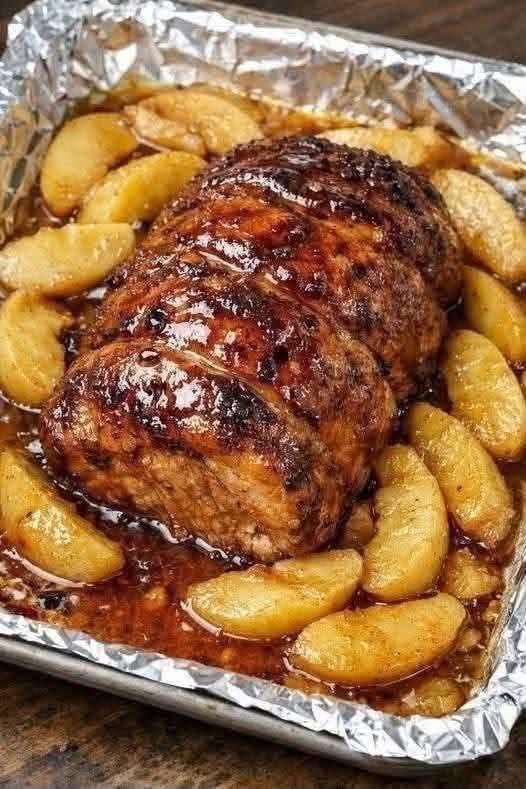
The Masterclass on Crafting Tender, Flavor-Packed Autumn Pork Roasts
There are few culinary experiences that evoke the cozy warmth of autumn quite like a slow-cooked pork roast paired with orchard-fresh apples. When you combine the rich, savory depth of a marbled pork shoulder with the crisp, natural sweetness of seasonal apples and spiced apple cider, magic happens in the kitchen. This slow cooker pork apple cider roast is the ultimate set-it-and-forget-it masterpiece that delivers high-end restaurant quality with minimal hands-on effort.
Whether you are hosting a Sunday family dinner, preparing meal-prep containers for the week, or simply craving stick-to-your-ribs comfort food, mastering this recipe will elevate your culinary repertoire. Let us explore the science of slow-roasting pork, the secrets to balancing sweet and savory flavor profiles, and how a quick trip under the broiler transforms a standard crockpot meal into an unforgettable feast.
The Science of Slow-Cooking Pork Shoulder and Butt
Why is a pork shoulder or pork butt roast the absolute best cut for slow cooking? These cuts come from the upper shoulder of the pig, an area that works hard throughout the animal’s life. Consequently, the meat is packed with tough connective tissue, collagen, and intramuscular fat (marbling).
When you cook lean meats like pork chops or chicken breasts for hours, they dry out and become tough. However, slow-cooking a pork shoulder at a low temperature for 8 to 10 hours achieves the exact opposite effect. Over hours of gentle heat, the tough collagen melts down into gelatin, bathing the muscle fibers in rich, natural moisture. This is what creates that legendary, fork-tender texture where the meat practically shreds itself at the slightest touch.
The Role of Apple Cider and Fruit Selection
The liquid foundation of this dish—apple cider—plays a dual role. First, its mild natural acidity acts as a tenderizer, gently breaking down the outer proteins of the pork as it cooks. Second, as it reduces alongside the pork drippings, it concentrates into a deeply flavorful glaze.
When choosing your apples for this recipe, variety matters immensely. Relying on a single type of apple can result in a one-dimensional sweetness. To achieve a sophisticated, complex flavor profile, incorporate a strategic blend of apples:
- Tart Varieties (like Granny Smith): These retain their structural integrity better during long cooking cycles and provide a sharp acidity that cuts through the rich fat of the pork roast.
- Sweet Varieties (like Honeycrisp, Braeburn, or Gala): These break down slightly more, releasing natural sugars that caramelize when exposed to heat, enriching the overall sauce.
Elevating the Dish: Finishing Techniques and Texture Contrast
One common critique of slow cooker meals is that everything tends to share a uniform, soft texture. We solve this potential pitfall with a simple yet brilliant finishing step: the broiler glaze.
Once the pork is completely fork-tender, transferring it to a foil-lined baking sheet along with the stewed apples and placing it under a high-temperature broiler for 3 to 5 minutes changes everything. The brown sugar and apple cider residue caramelize rapidly on the surface of the meat, creating a sticky, sweet-and-savory crust that contrasts beautifully with the tender, juicy interior.
Creative Leftover Transformations
One of the greatest benefits of cooking a substantial pork roast is the abundance of leftovers. Far from getting boring, tender pulled pork infused with apple cider is one of the most versatile ingredients you can keep in your refrigerator:
- Sliders and Sandwiches: Pile the shredded pork onto toasted brioche buns, top with a crisp coleslaw for crunch, and add a smear of sharp mustard or tangy barbecue sauce.
- Breakfast Hash: Crisp up leftover shredded pork in a hot skillet alongside diced potatoes, onions, and bell peppers, then top with a fried egg for an incredible weekend breakfast.
- Grain Bowls: Layer the pork over a base of quinoa or brown rice, accompanied by roasted root vegetables and a drizzle of the reduced cooking juices.
Simple Slow Cooker Pork Apple Cider Roast Recipe
Bring orchard-fresh flavors and incredible tenderness to your dinner table with this effortless slow-cooker pork roast.
Ingredients List
- Pork: 3 to 4 lb boneless pork shoulder or pork butt roast
- Cider: 2 cups apple cider
- Fruit: 3 large apples, peeled, cored, and thickly sliced
- Sweetener: 1/3 cup packed brown sugar
Step-by-Step Cooking Directions
- Layer the Apples: Scatter your freshly sliced apples evenly across the bottom of a 5- to 7-quart slow cooker to create a fragrant fruit bed.
- Position the Pork: Place the boneless pork shoulder or pork butt roast directly on top of the sliced apples.
- Mix the Liquid Base: In a mixing bowl or large measuring cup, whisk together the apple cider and packed brown sugar until the sugar is fully dissolved.
- Pour and Saturate: Pour the apple cider and brown sugar mixture directly over and around the pork roast, ensuring it permeates the fruit layer below.
- Slow Cook to Tender Perfection: Cover the slow cooker with its lid and cook on LOW for 8 to 10 hours or on HIGH for 4 to 5 hours, until the pork is completely fork-tender and pulls apart easily.
- Transfer for Broiling: Carefully move the tender pork roast onto a foil-lined baking sheet. Surround the roast with the stewed apples from the slow cooker and drizzle a couple of spoonfuls of the remaining cooking liquid over the top.
- Caramelize the Crust: Place the baking sheet under your oven’s broiler for 3 to 5 minutes, watching closely, until the pork develops a golden, sticky glaze.
- Rest and Shred: Remove from the oven and let the roast rest for 5 minutes to lock in the juices. Shred or slice to your preference.
- Serve and Enjoy: Serve warm, accompanied by the stewed apples and extra warm cider juices spooned generously over the top.
Source & Attribution
Adapted from traditional slow-cooker autumn comfort food techniques and classic American orchard-inspired roast recipes.
